

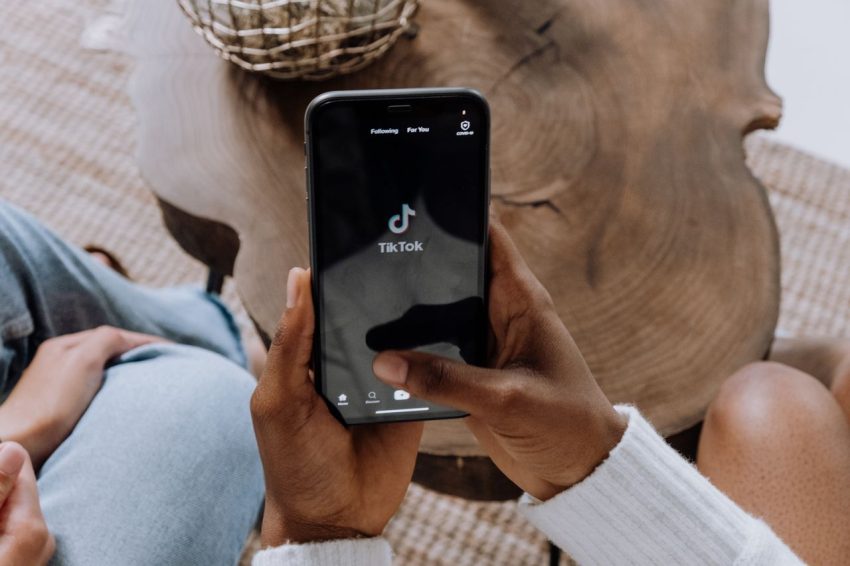
You open TikTok for “just five minutes.”
Forty minutes later, you don’t remember a single video you watched, but your brain feels strangely tired, like it just ran a marathon… while lying down.
Welcome to the paradox of modern attention.
Concentration, once a basic skill, is quietly becoming a challenge. Reading a book feels slower. Watching a full movie without checking your phone feels like a small victory. Even conversations sometimes lose to the silent pull of a glowing screen. It’s tempting to blame laziness or lack of discipline, but the reality is far more interesting — and slightly unsettling.
TikTok is not just an app; it’s an environment designed around one core principle: maximum stimulation in minimum time. Each video delivers a quick burst of novelty — a joke, a trend, a dramatic story, a life hack. From a neurological perspective, this matters. Our brains are designed to seek dopamine, a chemical linked to reward and motivation. The faster and more frequently we receive these small rewards, the more our brain starts to expect them.
In simple terms, TikTok trains your brain to prefer speed over depth.
And the brain adapts quickly. What used to feel normal — a 10-minute explanation, a lecture, even a thoughtful conversation — now feels slow. Not because it actually is, but because your brain has been rewired to a different tempo. Boredom, once a neutral state, now feels almost uncomfortable. Silence feels suspicious. Stillness feels… wrong.
The effects show up in everyday life. Students struggle to focus on longer tasks. People watch movies while simultaneously scrolling. Conversations compete with notifications (and often lose). We are not becoming less intelligent, but we are becoming less patient.
I saw this play out in the most unexpected way… with my grandma. She downloaded TikTok purely to “keep an eye on what I’m posting,” which sounded harmless enough. Fast forward a few days, and suddenly she had opinions about trends I didn’t even know existed. Now, when she watches her favorite TV series — something she used to treat almost like a ritual — she can’t just sit and watch anymore. She’ll start a puzzle, check her phone, reorganize something… anything to keep the stimulation going. One screen is no longer enough.
What makes this phenomenon especially powerful is that it’s not entirely our fault. Platforms like TikTok are built using insights from human psychology. The endless scroll, unpredictable rewards, and personalized content create a system that keeps us engaged almost automatically. It’s less about willpower and more about design.
So, what can we do?
Quitting entirely is unrealistic for most people (and fairly unnecessary). The goal is not to reject technology, but to regain control over how we use it. Small changes matter: setting time limits, avoiding TikTok first thing in the morning, or simply allowing yourself moments of boredom without reaching for your phone. It might sound trivial, but boredom is actually where focus begins.
Because here’s the uncomfortable truth: attention is not just another skill — it is the foundation of everything we do. The quality of our work, our relationships, even our ability to enjoy life depends on it.
TikTok is entertaining. There’s no doubt about that. But if we slowly lose the ability to focus, to stay present, to engage deeply with anything longer than a few seconds… what are we actually gaining in return?
Maybe the real challenge isn’t deleting the app.
Maybe it’s learning how to be bored again — and realizing that in that quiet space, our attention, and perhaps a part of ourselves, can finally come back.
Zuzanna M. Zumrawi
Photo: Pexels – Cottonbro